First responders offer critical back to school safety advice
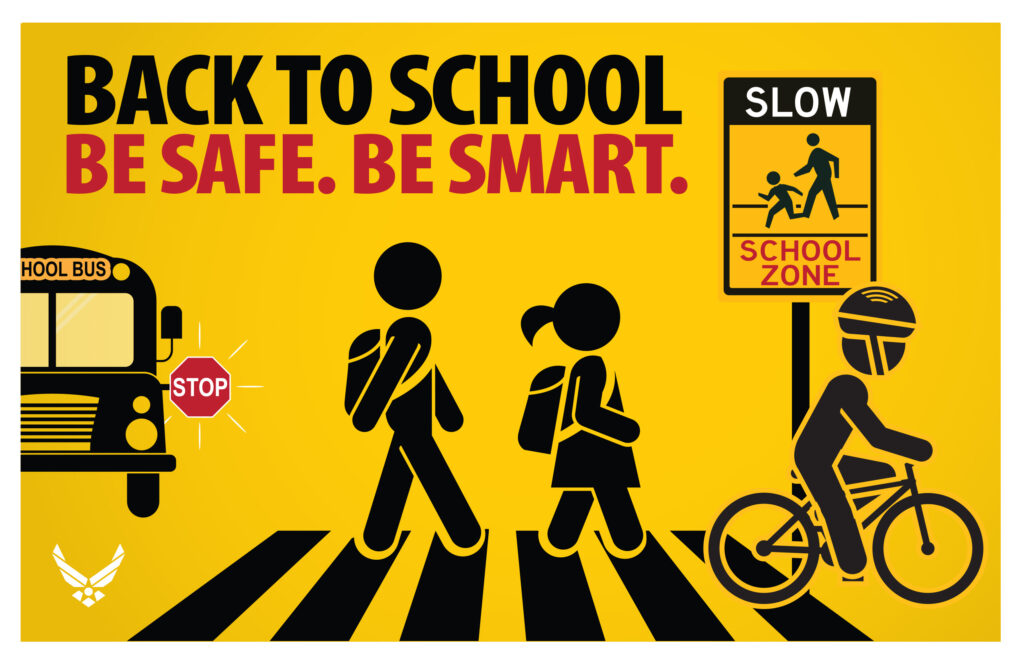
As students prepare for the new school season, first responders with American Medical Response urge families to prioritize safety during this busy season.
With shifting routines and school zones bustling once again, it is crucial that parents, drivers and students stay alert and follow safety guidelines.
“The start of a new school year brings excitement and new opportunities for our students, but it also brings heightened risks,” said AMR Operations Director Jason Preston. “We want to ensure families have the knowledge and tools needed to keep their children safe on the way to and from school and even at home after school.”
With thousands of school-related traffic incidents reported each year, children should follow key safety rules to stay safe on their way to and from school. While school buses are the safest mode of transport, most injuries occur while getting on or off the bus.
AMR provided the following safety tips:
Bus Safety
-Stand at least six feet from the curb while waiting.
-Always stay where the driver can see you.
-Never walk behind the bus.
-If you drop something, alert the driver, don’t pick it up yourself.
-When crossing, walk 10 feet in front of the bus, wait for the driver’s signal, and watch for traffic.
Walking Safety
-Use sidewalks and cross at corners or intersections.
-Stop and look both ways before crossing.
-Keep looking as you cross.
-Never dart between parked cars.
Bike Safety
-Always wear a helmet when riding your bicycle
-Make sure that your helmet fits correctly
-Ride on the right side of the road or trail in a single-file line in the same direction as other vehicles
-Come to a complete stop before crossing streets
-Make sure clothes, shoes and the bicycle have reflective materials for better visibility by drivers
According to the Afterschool Alliance, nearly 25 million children nationwide do not have access to an afterschool program, requiring more parents to leave kids home alone until they get off work. Before leaving a child unsupervised, parents and guardians should carefully assess their readiness and review essential safety rules.
“Make sure your child knows how to stay safe when home alone and what to do in an emergency,” said Preston. “Go over safety procedures and practice emergency scenarios together–preparation is key.”
Make sure your child knows the following:
-How to call 911
-Their full address and phone number
-Where and how to reach you at work
-Contact details for a trusted neighbor
-Another emergency contact, like a grandparent or family friend
Cabinet News

Hassan tours renovated Early Ed Center at Merrimack YMCA

Cher’s son arrested in NH twice in two days
Mother of Sen. Hassan dies at 94
It is with sadness and much love and appreciation that U.S. Sen. Maggie Hassan and her siblings, Franny and Frank ...

Stay Work Play NH announces 2026 Rising Stars Leadership Cohort

Applications being accepted for Brodsky Prize