Red Cross offers back-to-school safety advice
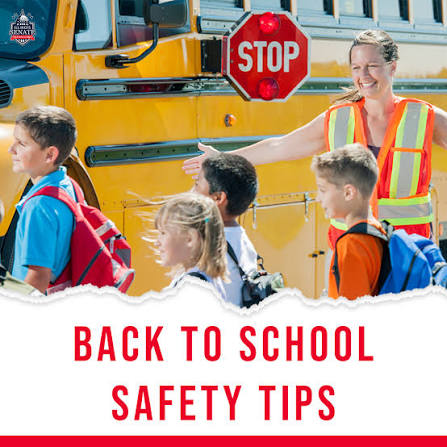
MANCHESTER — The countdown to the first day of school has begun and the American Red Cross offers tips to help ensure children have a safe start to their school year.
In addition, there are also Red Cross apps and classes that provide additional safety information for teachers and students alike and safety reminders for drivers to slow down and obey the school bus rules.
“Back‒to‒school season is exciting, but it’s also a time when families can set the tone for a safe year ahead,” said Stephanie Couturier, regional executive of the Red Cross of Northern New England. “A few simple conversations about how children get to and from school can make a big difference. When kids know what to expect and how to respond, they start the year feeling confident and ready.”
For younger children, walking the route to school before the first day can help them become familiar with the safest places to cross streets and where to wait for the bus. Students who ride bicycles should wear a properly fitted helmet every time they ride.
Older students also benefit from reminders to stay aware of their surroundings when walking or biking to school. Students who listen to music should keep one earbud out so they can hear traffic, school buses and other sounds around them.
The start of the school year means more activity around school zones, crosswalks and bus stops as students return to the classroom. Drivers should slow down, stay alert and watch for children walking, biking and getting on and off school buses before and after school.
Back-to-school safety tips for students:
-Stand at least 10 feet, or about five giant steps, from the curb while waiting for the school bus.
-Cross streets only at intersections or marked crosswalks and obey traffic signals.
-Stay where the school bus driver can see you and never walk behind the bus.
-If something falls near the bus, tell the driver. Never bend down to pick it up.
-Wear a properly fitted helmet when riding a bicycle.
-If you are listening to music while walking, keep one earbud out so you can hear traffic and other activity around you.
Back-to-school safety tips for drivers:
-Slow down and stay alert in school zones and neighborhoods where children may be walking or biking.
-Never pass a school bus displaying flashing red lights and an extended stop arm.
-Put phones and other distractions away while driving, especially near schools.
-Allow extra travel time during the first weeks of school, when traffic is often heavier.
Parents and caregivers should become familiar with their child’s school emergency procedures before classes begin. They should also make sure the school has current emergency contact information for parents and caregivers, along with the names of anyone authorized to pick up their child if needed.
Families should create a household emergency plan so everyone knows who to contact, where to meet and how they will communicate if an emergency occurs during the school day. Additional emergency preparedness information, including tips for creating a household emergency plan, is available at redcross.org/prepare.
Both students and teachers alike can benefit from taking different Red Cross classes or by downloading our free apps.
For instance, anyone with a cell phone can download our free Red Cross First Aid and Emergency apps to get access to first aid tips for common emergencies and severe weather alerts. You can find the apps in smartphone app stores by searching for the Red Cross or going to redcross.org/apps.
Children ages 11 or older and people in childcare positions can take one of the Red Cross Babysitting and Child Care courses to not only learn important babysitting skills, but also how to respond effectively in emergency situations. Whether someone prefers an online course or in-person training, these classes provide critical information to care for kids of all ages.
The Red Cross Anaphylaxis and Epinephrine Auto-Injector Training is an online course that could be perfect for teachers and staff. They will learn to recognize severe allergic reactions and how to properly administer epinephrine.
Cabinet News

As election looms, Sununu cites how he is different than Trump

Nashua Chamber to host candidate conversations

Record turnout of 130 entries at Amherst Lions Club Car and Truck Show

Nashua Rotary Club to host candidate discussions

Former Granite State residents charged with theft, money laundering